
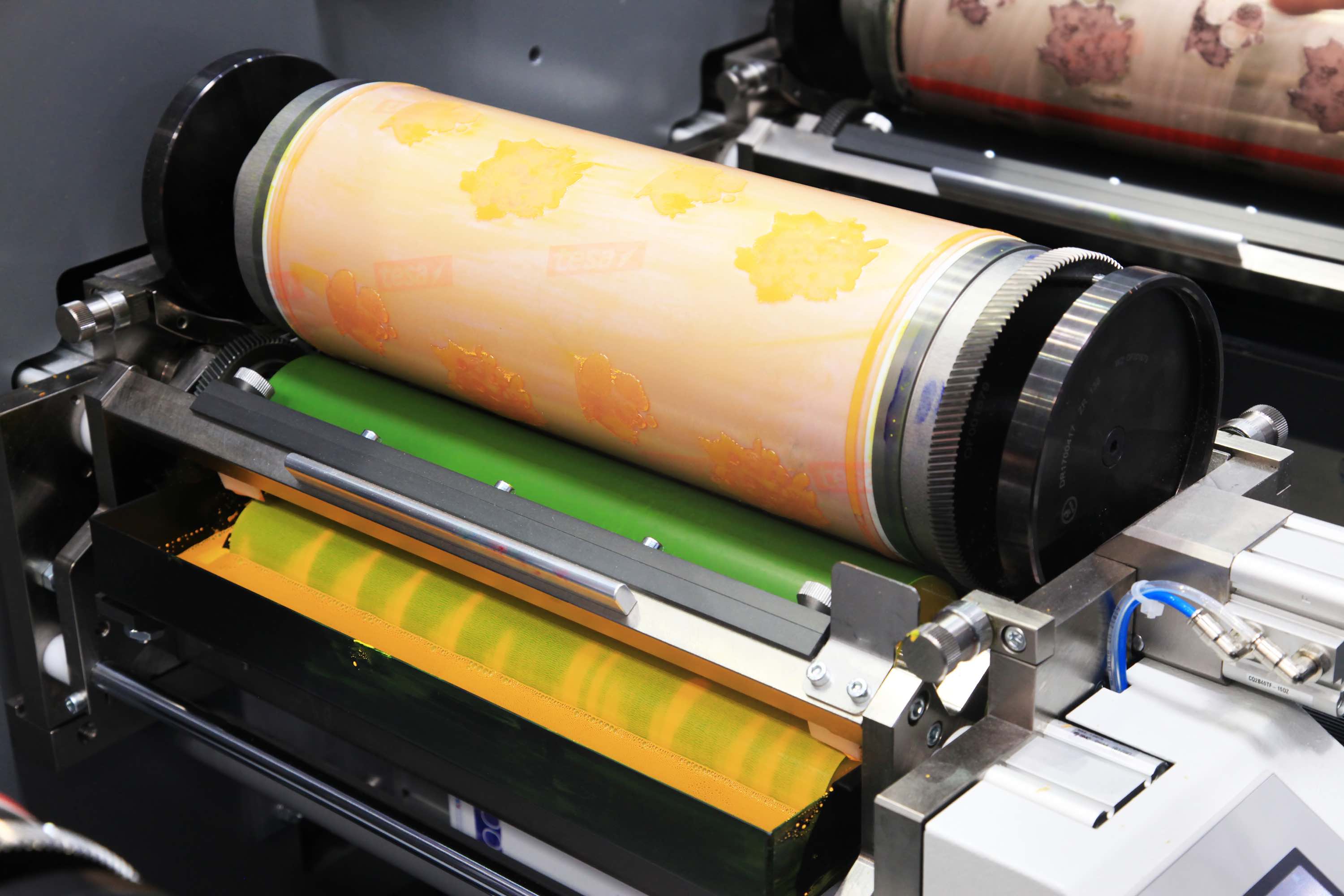
In the dynamic world of graphic arts, precision and accuracy are paramount. The graphic arts industry relies on innovative technologies to ensure the highest quality in every print job. One such technology revolutionizing the quality control process is UV-sensitive Laser Check Paper from NGS, Inc., designed for flexographic printing. This remarkable paper helps companies in the graphic arts industry create image proofs that play a vital role in ensuring accurate and flawless prints. In this blog post, we will explore how UV-sensitive paper is employed by these companies, emphasizing its significance in the quality control process.
The Role of Image Proofs:
Before any design goes to press, it is crucial to represent the final product accurately. Image proofs are visual references to evaluate color accuracy, registration, and overall print quality. In flexographic printing, which involves flexible relief plates, image proofs become indispensable in fine-tuning printing. These proofs allow printers to identify potential issues or discrepancies and make necessary adjustments before mass production.
Enter UV-Sensitive Laser Check Paper:
UV-sensitive paper, or photosensitive or sun-sensitive paper, has emerged as an invaluable tool in the graphic arts industry. This specialized paper is unique: it changes color when exposed to ultraviolet (UV) light. This attribute makes it ideal for creating image proofs, especially in flexographic printing.
Creating UV-Sensitive Image Proofs:
1. Preparing the Artwork: The graphic arts company prepares the artwork using specialized software and creates a digital design version. This digital file serves as a reference for the flexographic printing process.
2. Transferring the Image: The digital artwork is transferred onto a film or transparent sheet, which acts as a mask. This mask is placed in direct contact with the UV-sensitive paper.
3. UV Exposure: The UV-sensitive paper and mask are exposed to UV light. The areas where the mask blocks the UV light remain unexposed, while the exposed areas undergo a chemical reaction.
4. No Chemical Development Necessary: The exposed UV-sensitive paper requires no specific chemical solution to create the image. This image appears instantly with a bright blue color corresponding to the amount of UV light exposure.
5. Evaluating the Image Proof: The resulting image proof accurately represents how the design will appear in the final print. Printers examine the proof for color accuracy, registration, and any other potential issues that must be addressed.
Advantages of UV-Sensitive Paper:
1. Speed and Efficiency: UV-sensitive paper drastically reduces the time required to create image proofs. The exposure and development processes are relatively quick, allowing for rapid evaluation and adjustments.
2. Precision and Accuracy: The color changes on the UV-sensitive paper offer high precision in detecting any deviations from the desired print result. This level of accuracy helps printers identify and rectify potential issues promptly.
3. Cost-Effectiveness: UV-sensitive paper is a cost-effective solution for image proofing. It minimizes the need for extensive test runs on actual substrates, reducing material and production costs.
4. Versatility: UV-sensitive paper can be used for various applications within the graphic arts industry, including flexographic printing, screen printing, and even artistic experiments.
UV-sensitive Laser Check Paper has revolutionized the graphic arts industry by enhancing the quality control process, especially in flexographic printing. Its ability to generate accurate and visually representative image proofs has become invaluable for companies seeking to deliver flawless prints to their clients. As technology advances, we expect further innovations to drive the graphic arts industry toward higher precision, efficiency, and customer satisfaction.
Leave a Reply